


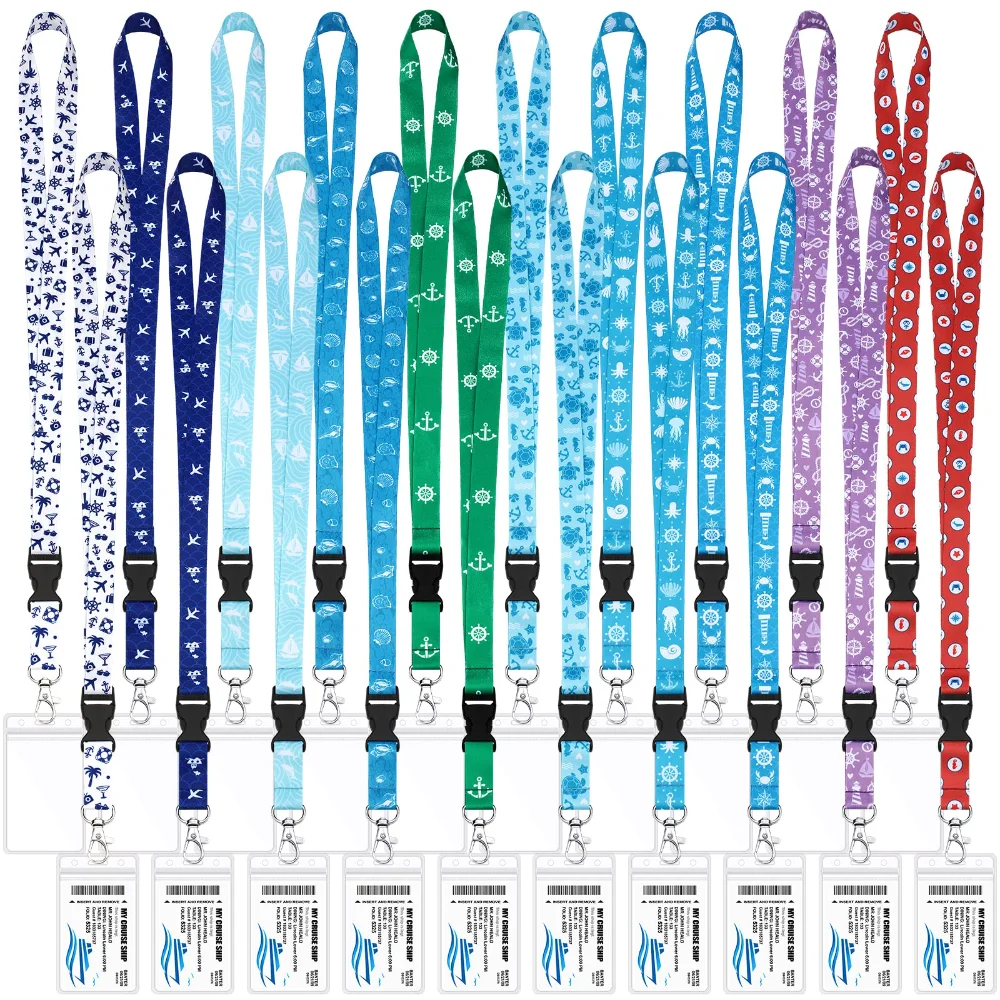

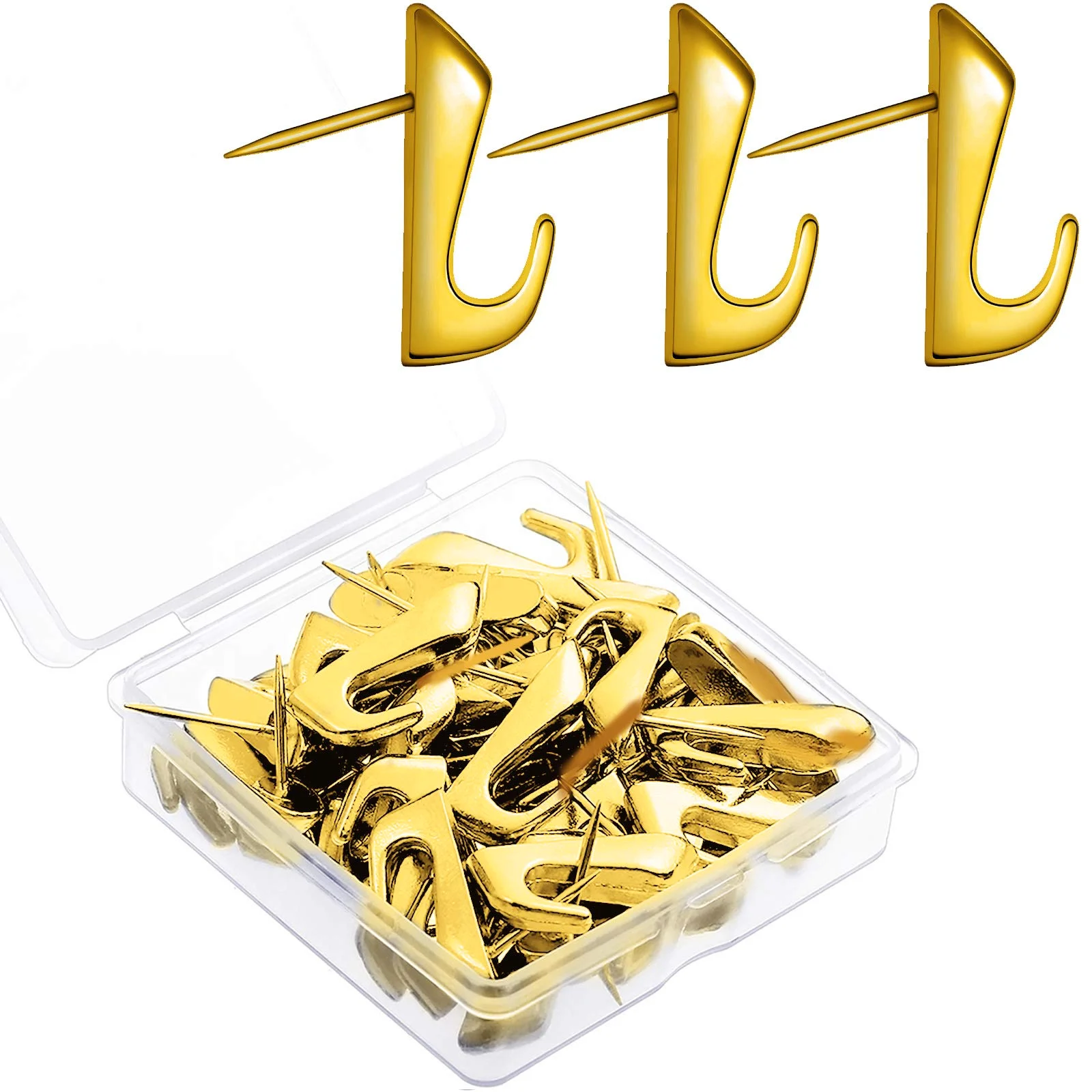
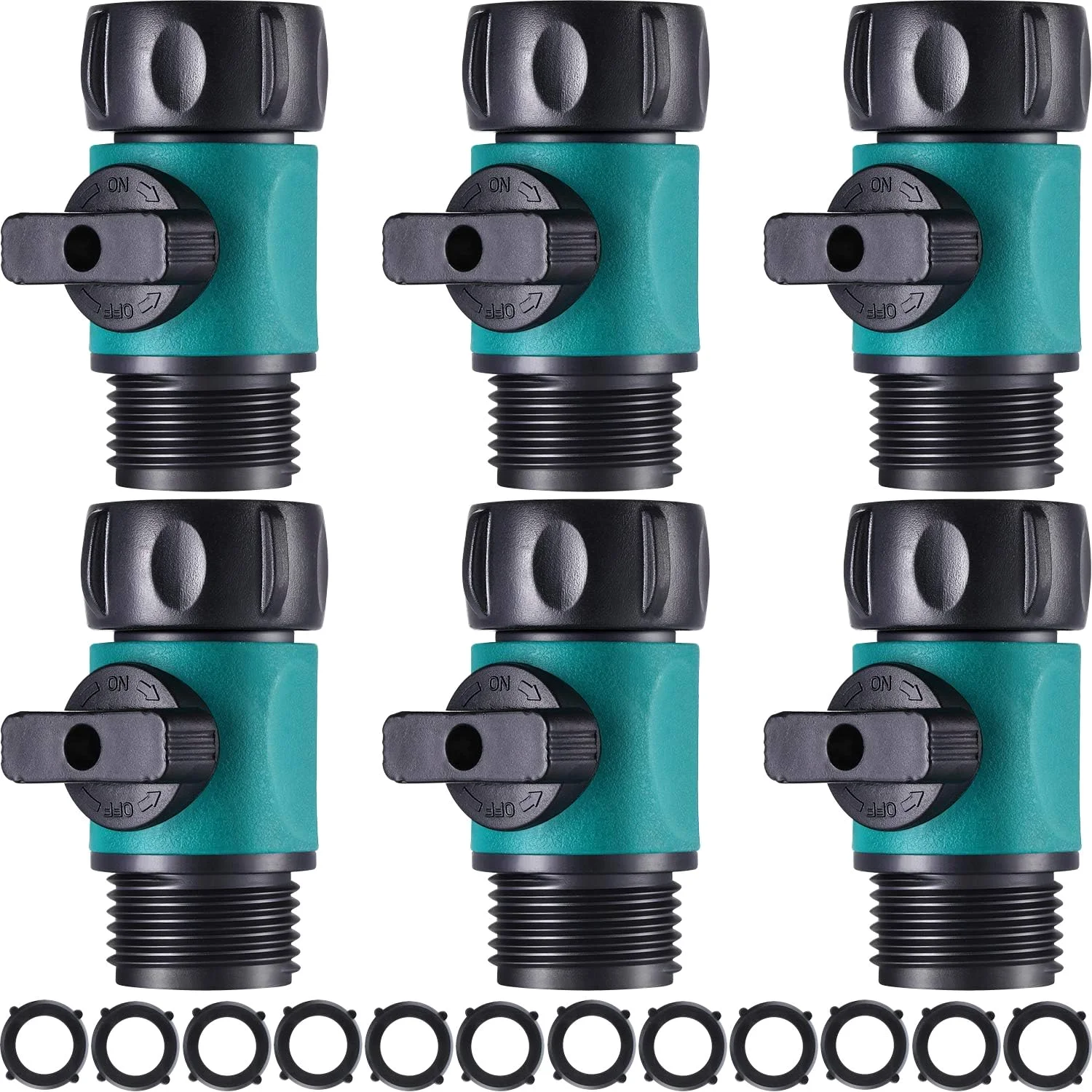


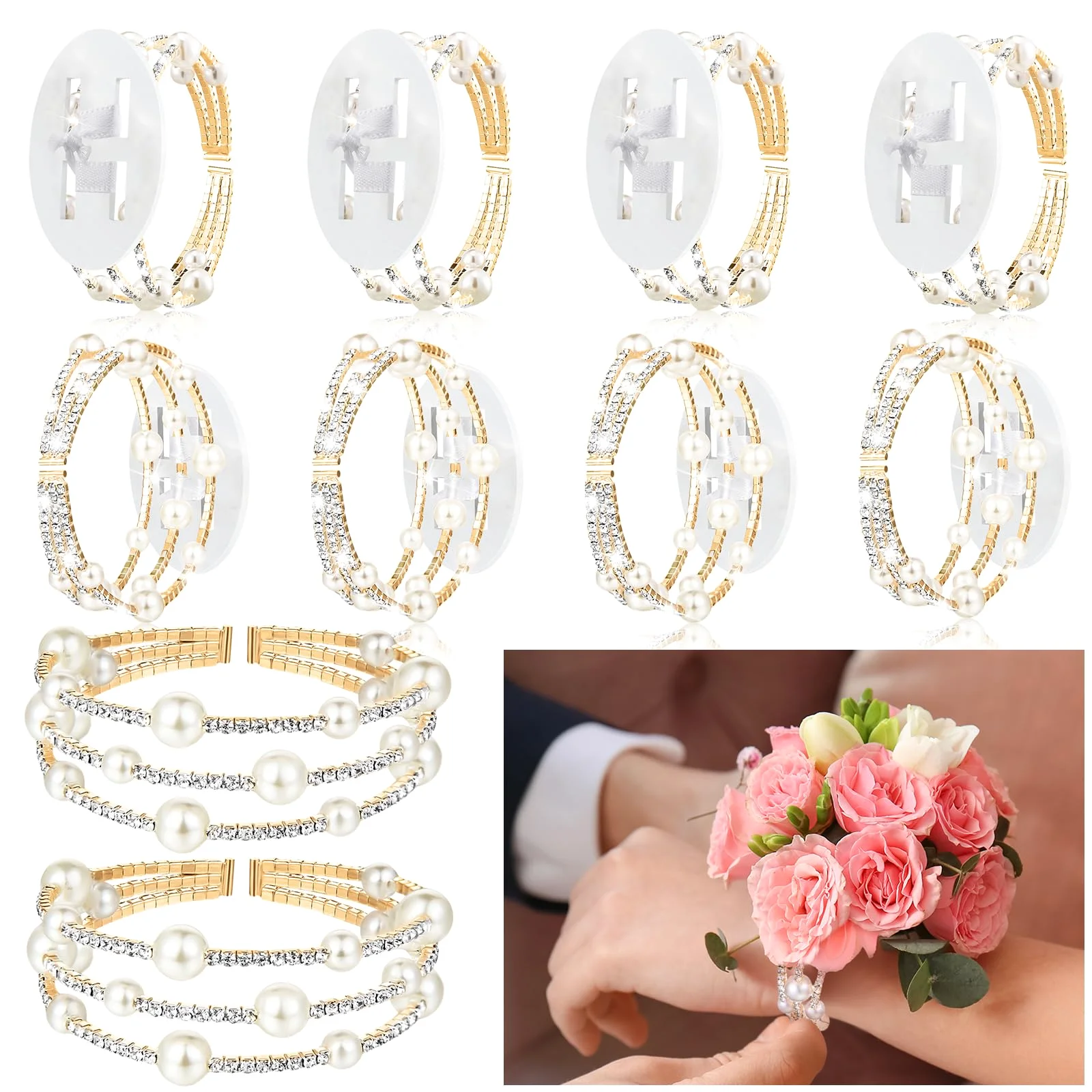
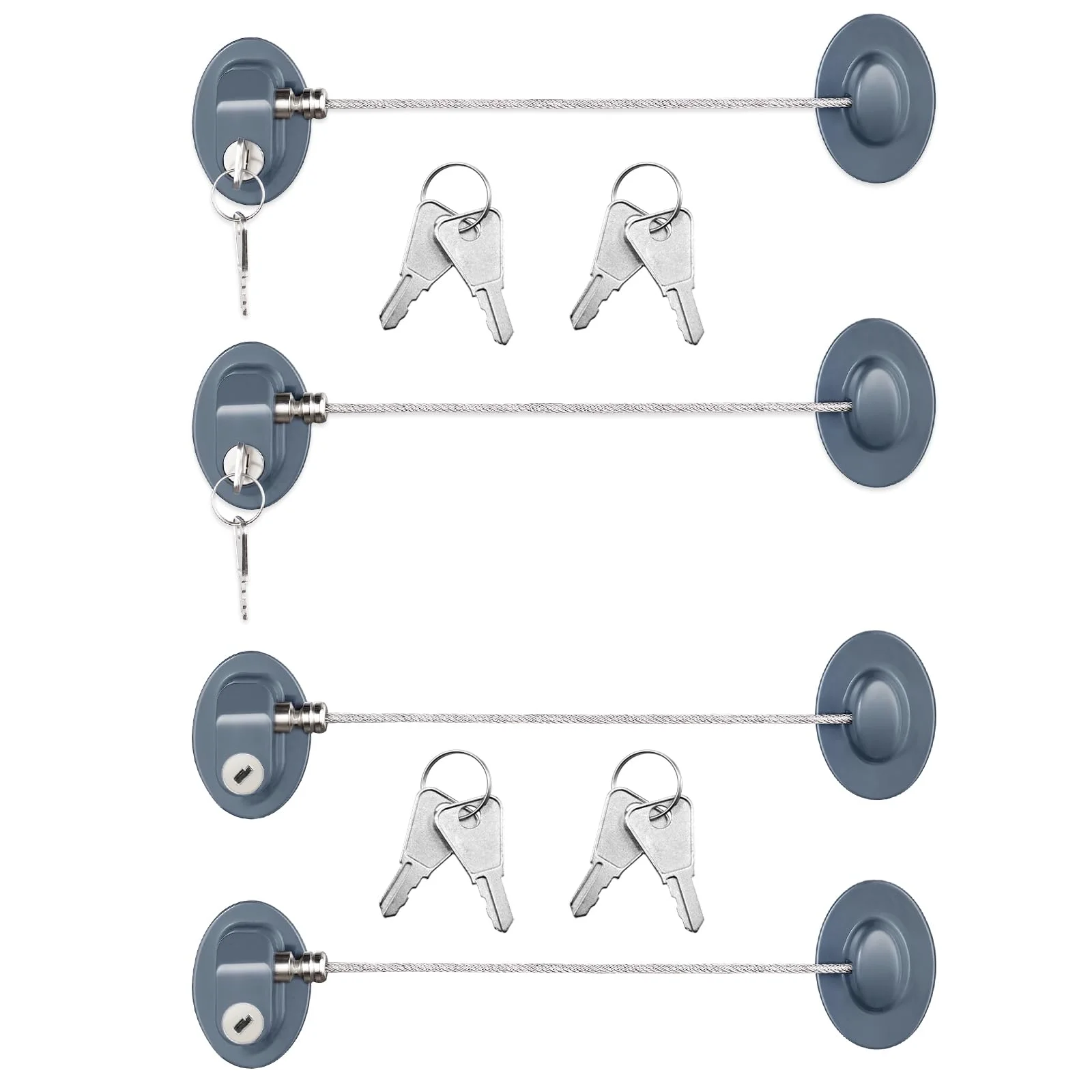
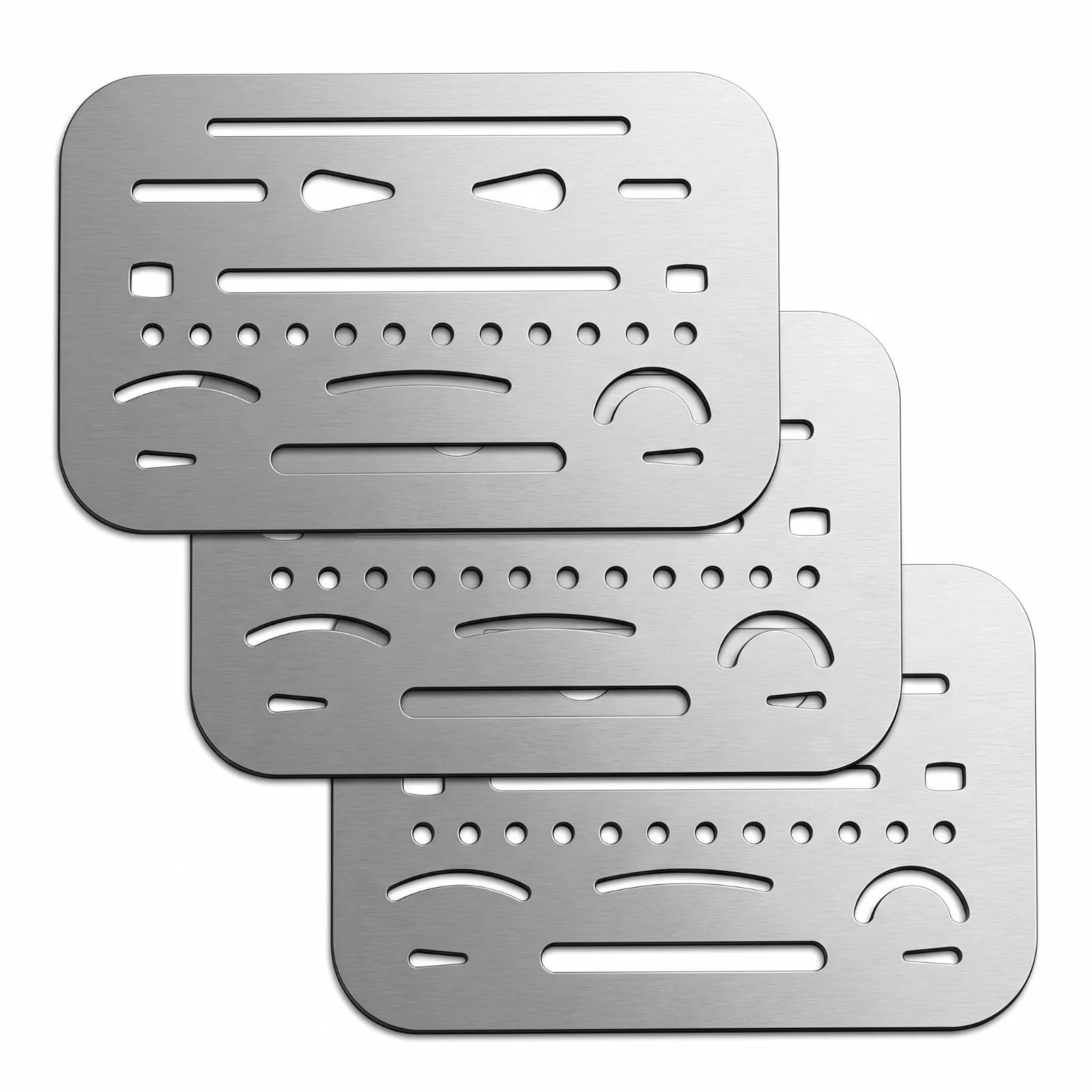
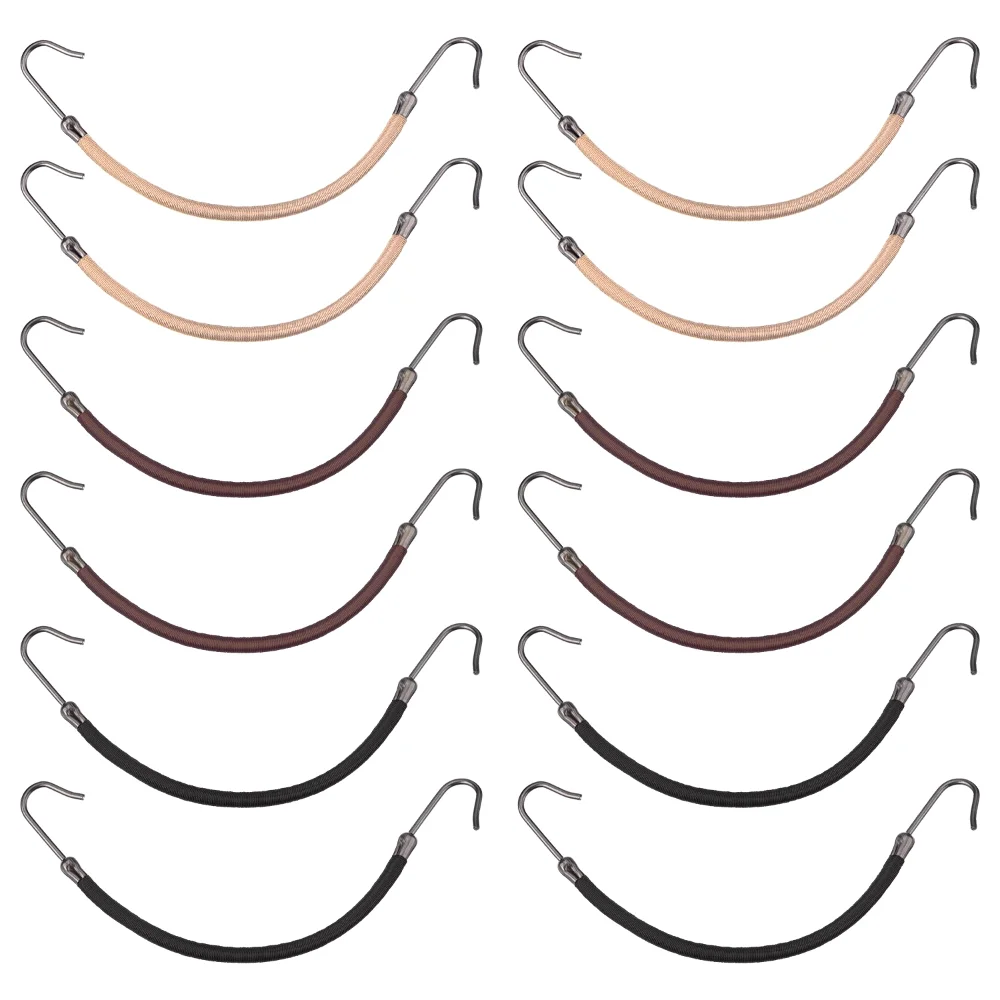

Walk into any celebration an hour before it starts and you will find the same person: the one doing arithmetic at the last minute. How many chairs, how many favours, how many stems are actually in that vase. Parties are counted events. So are craft fairs, team seasons and hallway renovations. The count is the plan, and when the count fails, the plan fails with it.
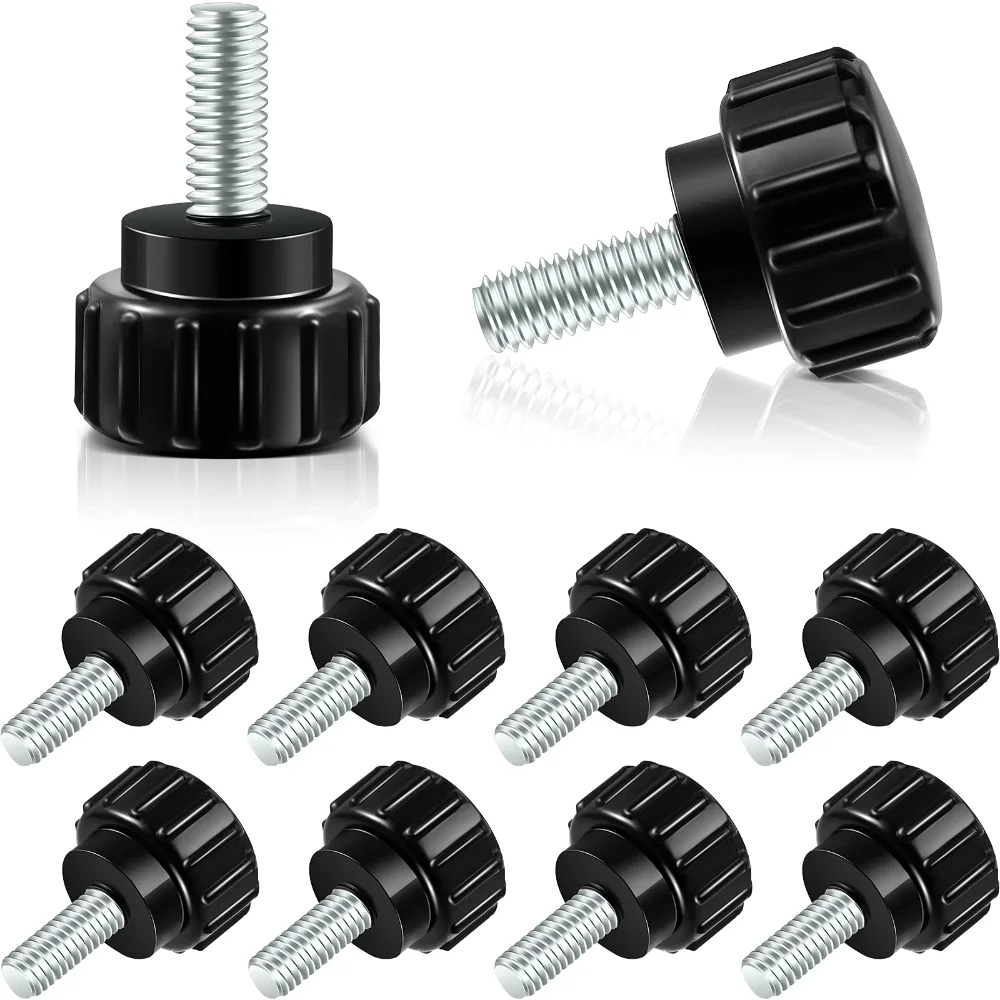
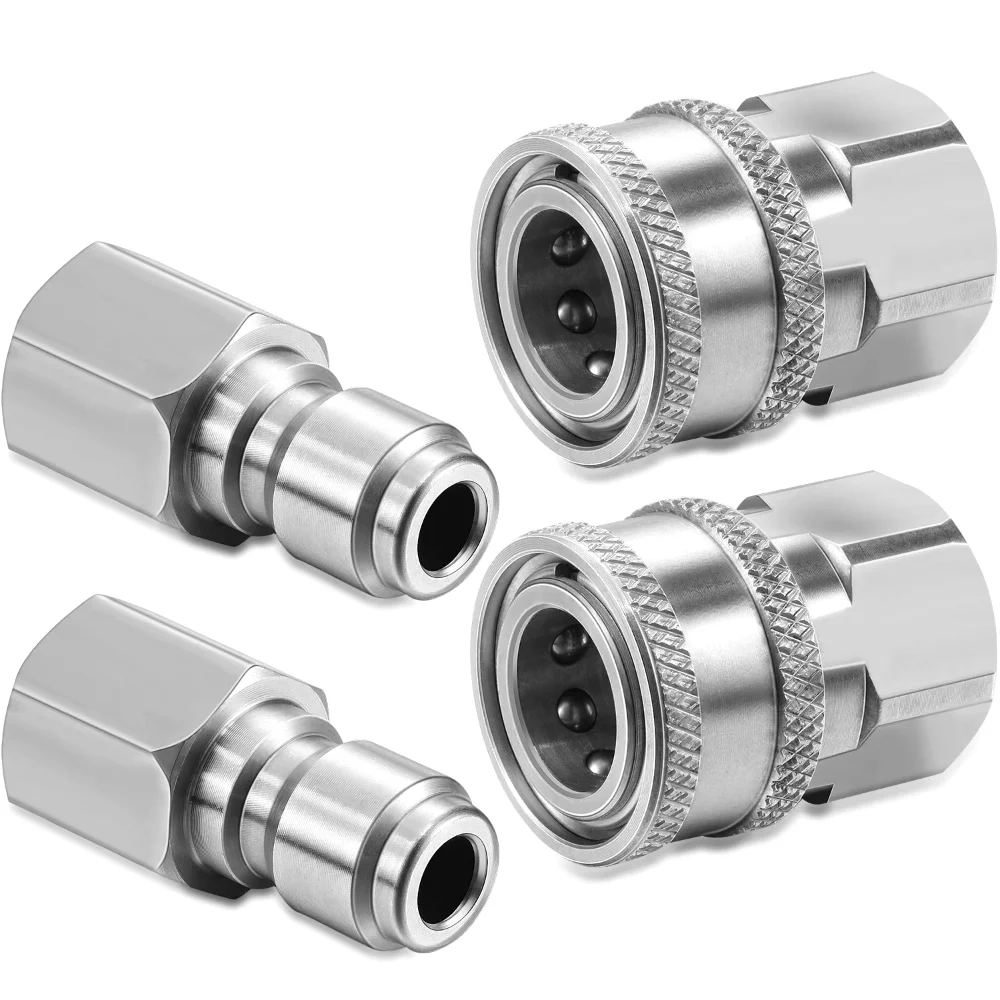
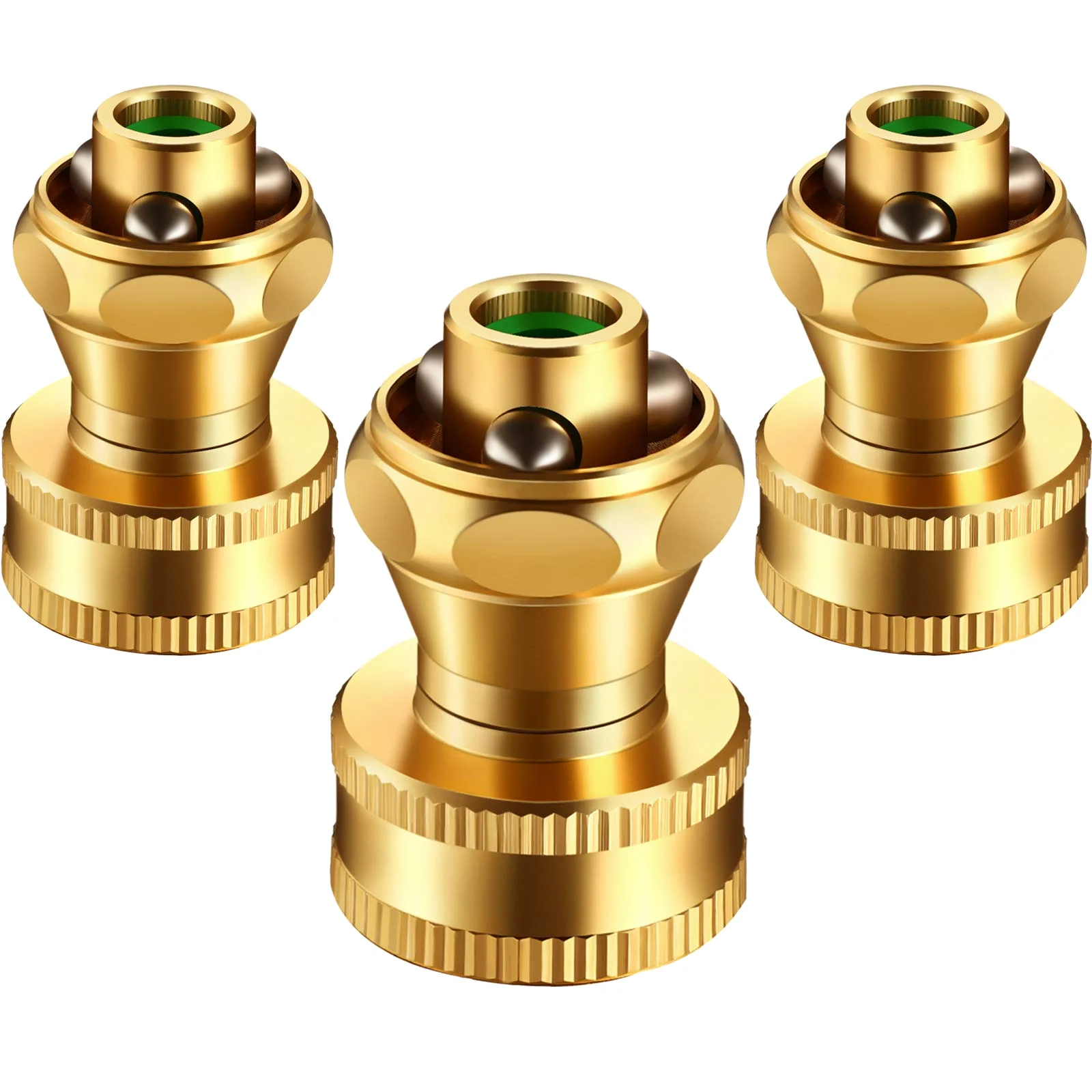
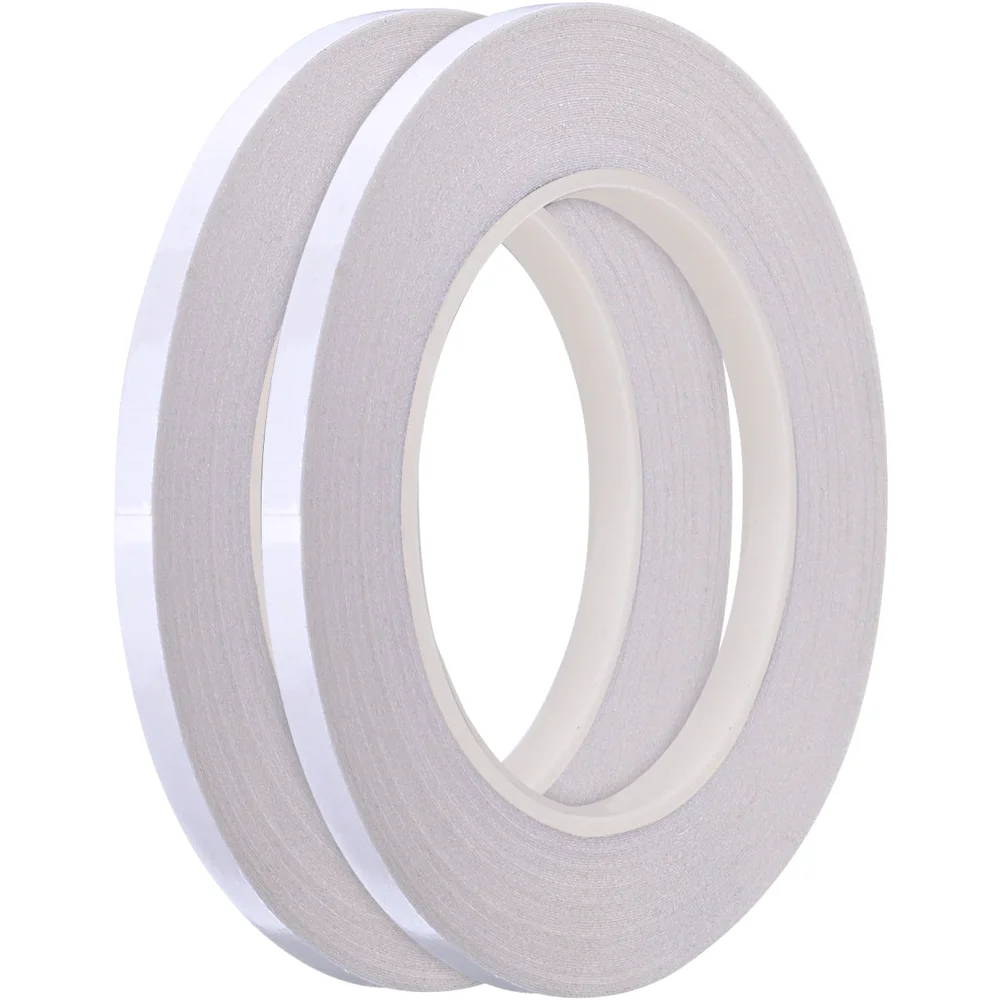
Hotop exists because that arithmetic deserves better than luck. We sell artificial flowers, celebration supplies, headbands, household hardware, garden fittings and craft components, and every one of them leaves us in a counted pack, tallied once by hand at the bench and once against the ledger before the box closes. The number on the front is the product. Everything else follows from it.
Where the numbers come from
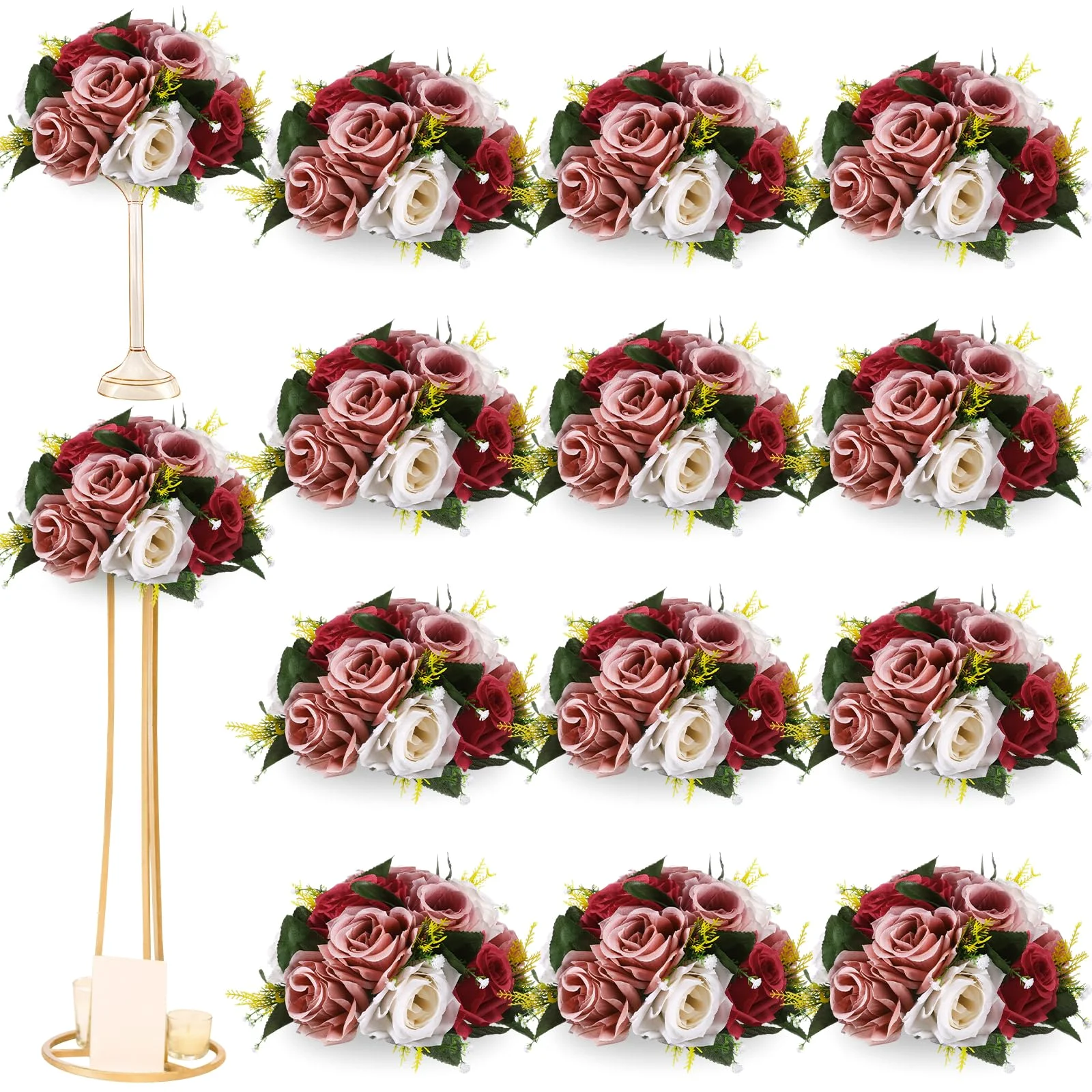
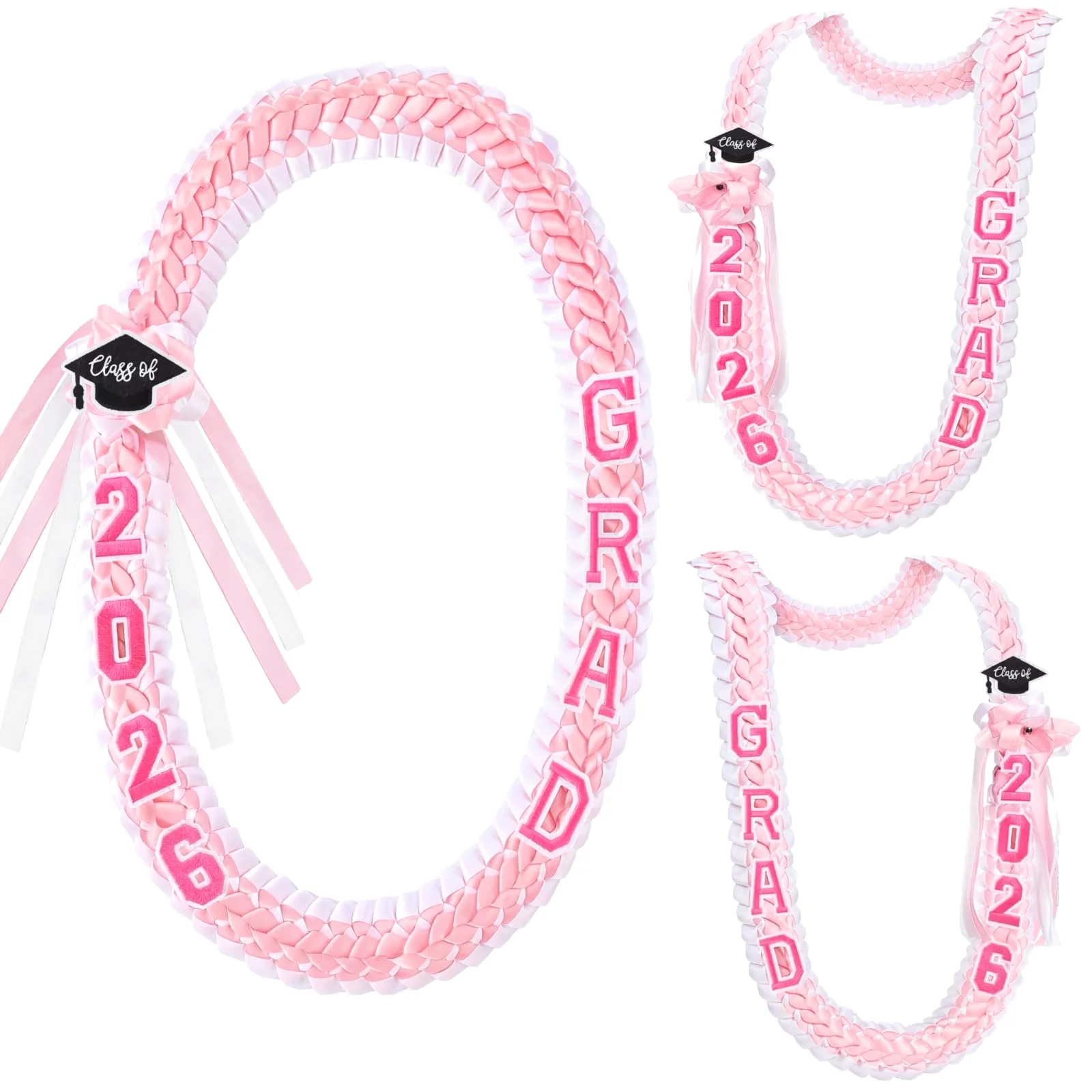
Pack sizes at Hotop are not round numbers picked for tidiness. They come from the jobs themselves. A wedding arch wants sixty to eighty stems before it reads as full from across a room. A graduating class runs twenty to thirty children, and every one of them expects a lei in the school colour. A drop ceiling takes a hook roughly every couple of feet, and a classroom has more feet of ceiling than anyone remembers until they are up a ladder.
So the rose pack holds eighty, with smaller counts for table work. The lei packs are sized so two or three of them cover a class. The ceiling hooks come a hundred to a bag. When a buyer asks why a count is what it is, there is an answer that names a job, and if we cannot name the job, the pack does not exist yet.
The margin matters as much as the count. A plan that needs forty stems exactly is a plan with no room for a bent stem, a misjudged vase or a centrepiece that wants one more bloom. Our counts run past the bare job on purpose. The spare pieces are not padding. They are the difference between an evening that ends calmly and a drive across town at five in the afternoon.
What a count promises
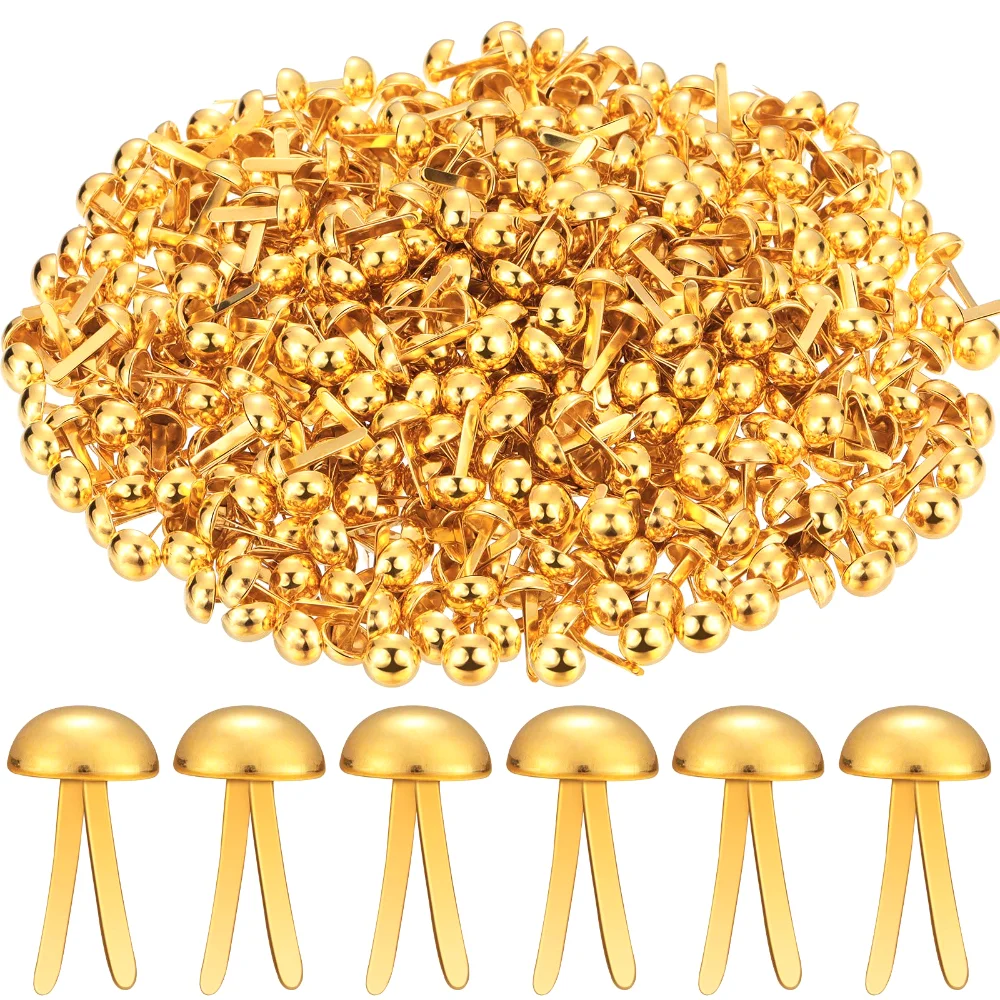
A printed count is the easiest promise in the world to break quietly. Nobody counts a hundred brads on delivery day. They count them three weeks later, mid-project, when the last card of the batch is short by four and the shops are shut. That is exactly when the promise matters most, and it is the reason our packs are counted twice at the bench before they close, once by hand and once against the ledger.
The same discipline holds for colour. Eighty stems in one box must be eighty stems of one shade, cut from the same run of fabric. A pack that mixes dye lots looks fine in the box and wrong in an arch, where every seam shows under photographs. Where a line comes in a dozen colours, each colour is its own pack with its own photography, and what the picture shows is what the box holds.
The per-piece habit
Buying in counts changes the arithmetic of price. A box is judged by its total on the shelf, but it is spent piece by piece: one stem in each vase, one lei on each graduate, one hook on every foot of picture rail. So our cards print the per-piece figure beside the pack price, recomputed from the current figures at every update. It is the number that lets a buyer compare a pack of forty against a pack of eighty in one glance, without a phone calculator at arm’s length.
That habit keeps us honest too. A pack only earns its place on these shelves if the per-piece figure beats the piecemeal way of buying the same thing, and the comparison is run again at every price update rather than assumed from the day the pack was designed. When it stops beating the piecemeal way, the pack goes back to the bench, not into a louder photograph.
Six aisles, one ledger
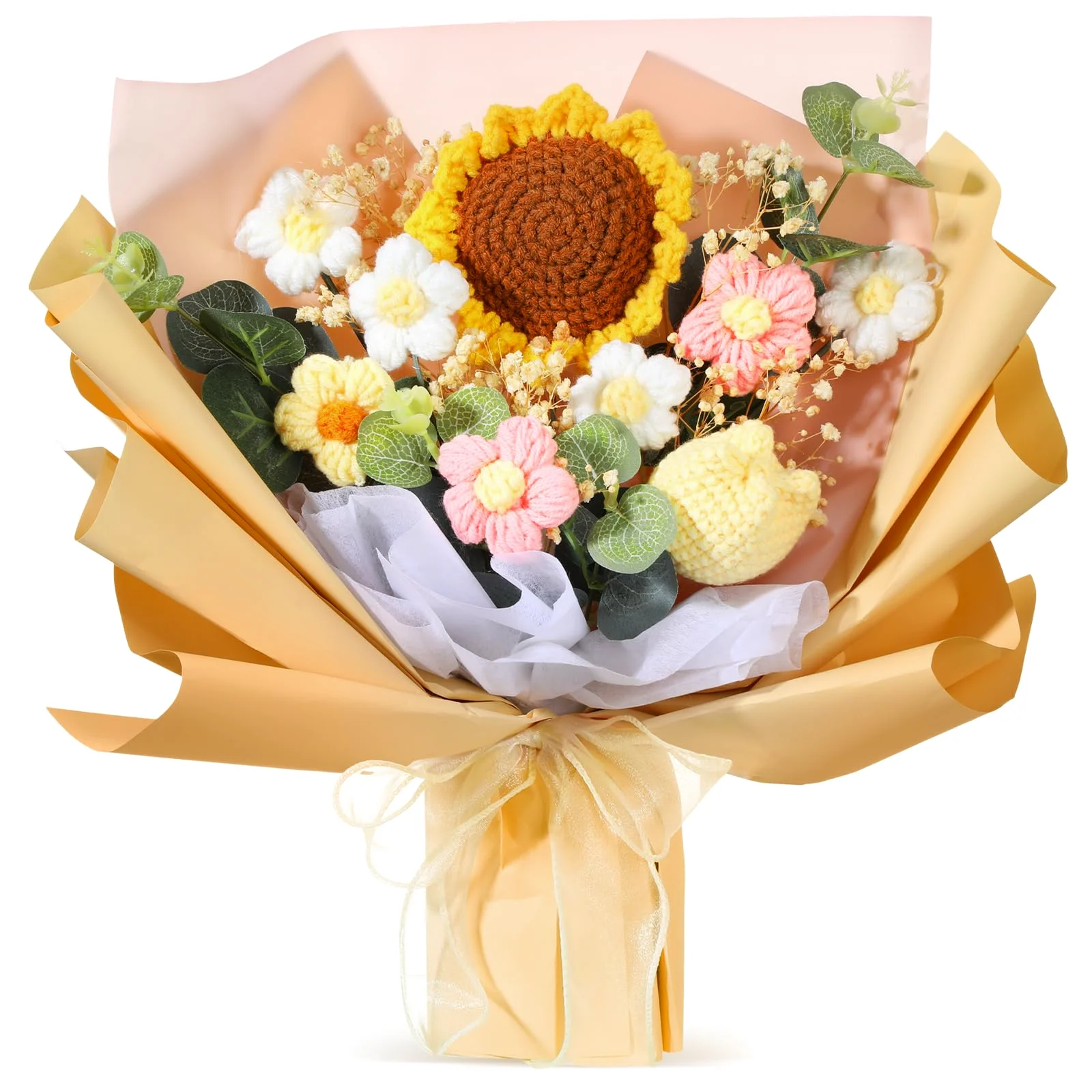
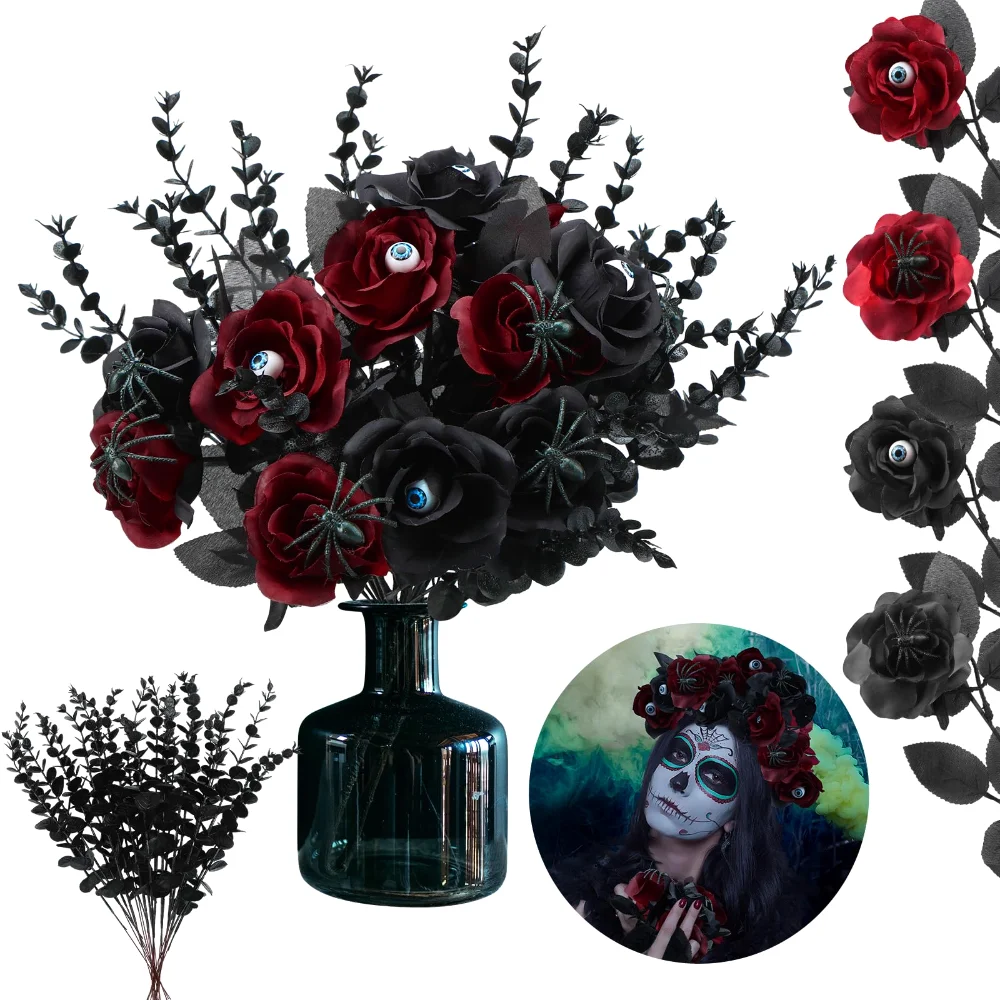
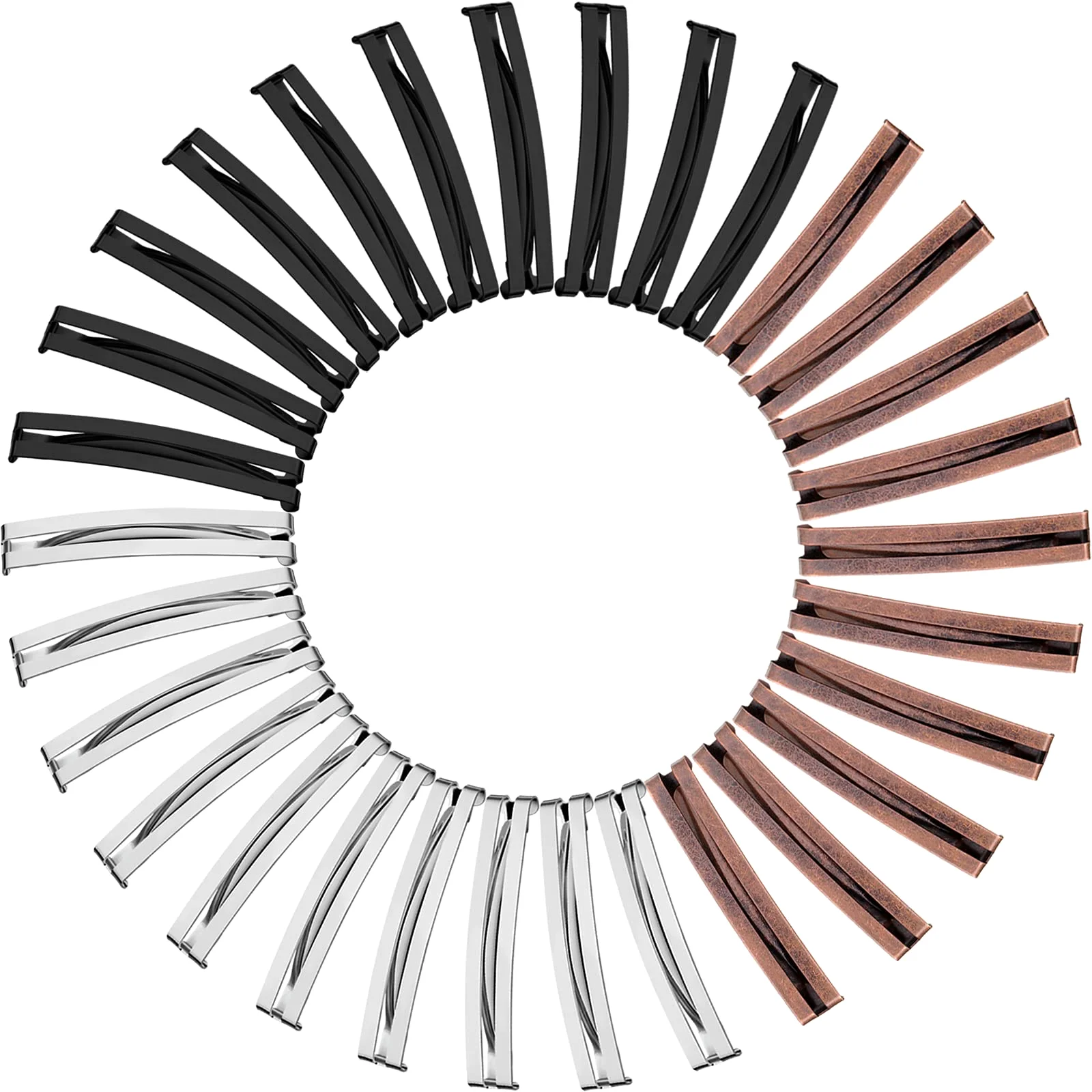
The counting habit is easiest to see where the numbers are large, but it runs the whole width of the range. The florals aisle counts stems because arches and centrepieces are built on density. The celebration aisle counts heads on a guest list, because a lei short is a graduate missed. The hair shelf counts a team, the hardware shelf counts a wall, the garden shelf counts a season of hose ends, and the craft shelf counts a market stall of finished pieces.
Six aisles, six different jobs, one ledger underneath. A buyer who learns to read the count on one shelf can read the whole catalogue, because the promise never changes shape: the number on the front, the pieces inside, the margin built past the bare job. That consistency is not a style choice. It is what lets a family order the graduation leis in May, the wedding roses in July and the classroom ceiling hooks in August from the same shelves with the same confidence.
What we leave out
A catalogue is defined as much by what it refuses. No pack of ours is padded with filler pieces to inflate a count, and a bonus item that nobody asked for is filler with better manners. The printed count never includes packaging, backing cards or the bag itself. And a photograph that flatters a pack beyond what the box delivers never goes up, because the box is opened at a kitchen table, not in a studio.
Reading the room, week after week
| The job in front of you | What it actually takes | The pack that covers it |
|---|---|---|
| A wedding arch that reads full | 60 to 80 stems, plus spares for the seams | Long-stem roses, 80 pcs |
| Centrepieces for ten tables | 2 to 4 stems per vase and a margin | Long-stem roses, 40 pcs |
| A graduating class of 25 | One lei per graduate, in the school colour | Money leis, bought as 2-packs |
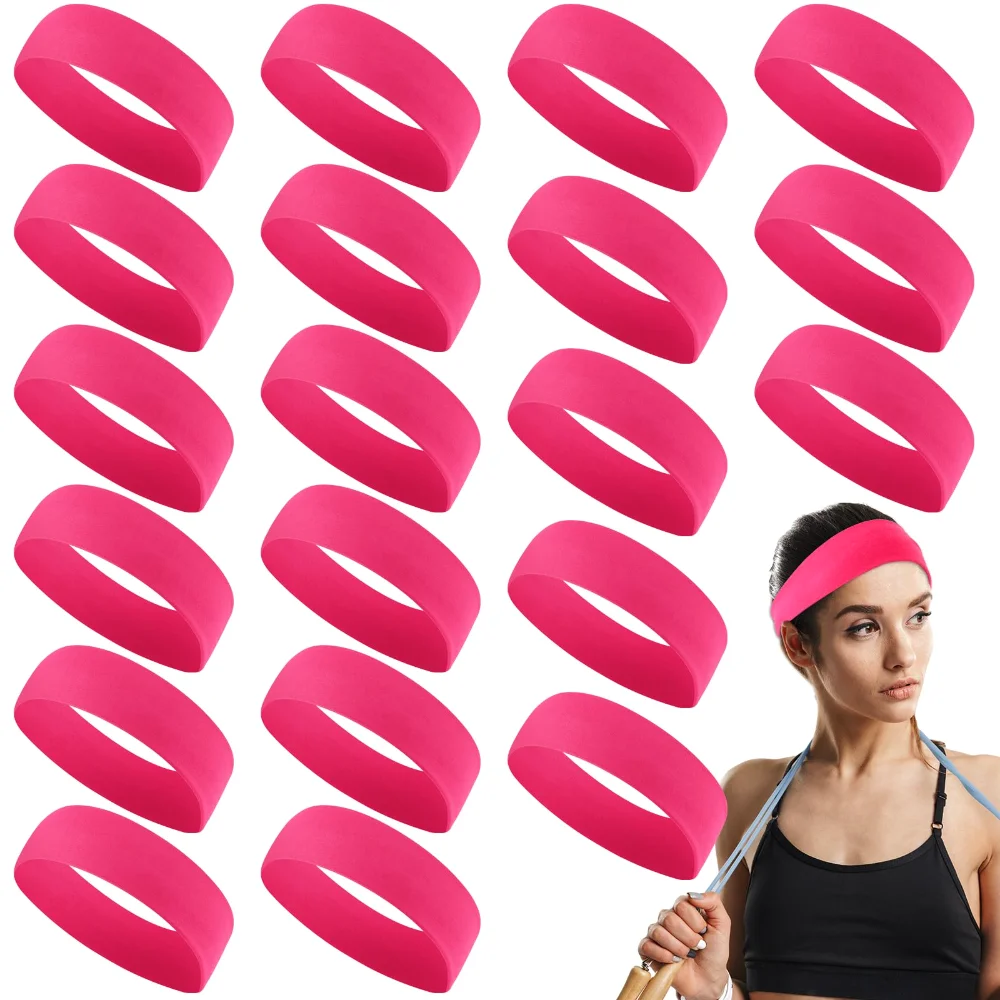
| A team of twelve, one season | One band per head, plus the lost-and-found tax | Sport headbands, 12-pack |
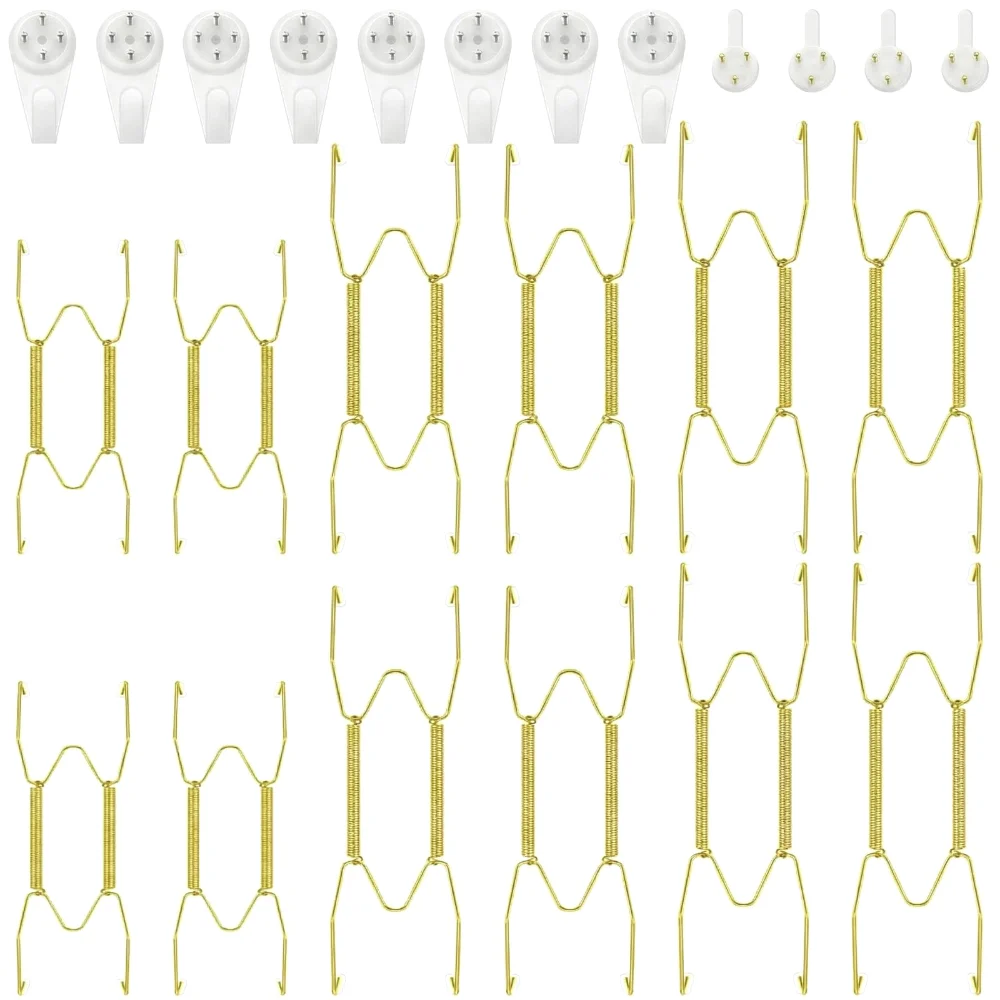
| A classroom drop ceiling | A hook every couple of feet of grid | Drop-ceiling hooks, 100-pack |
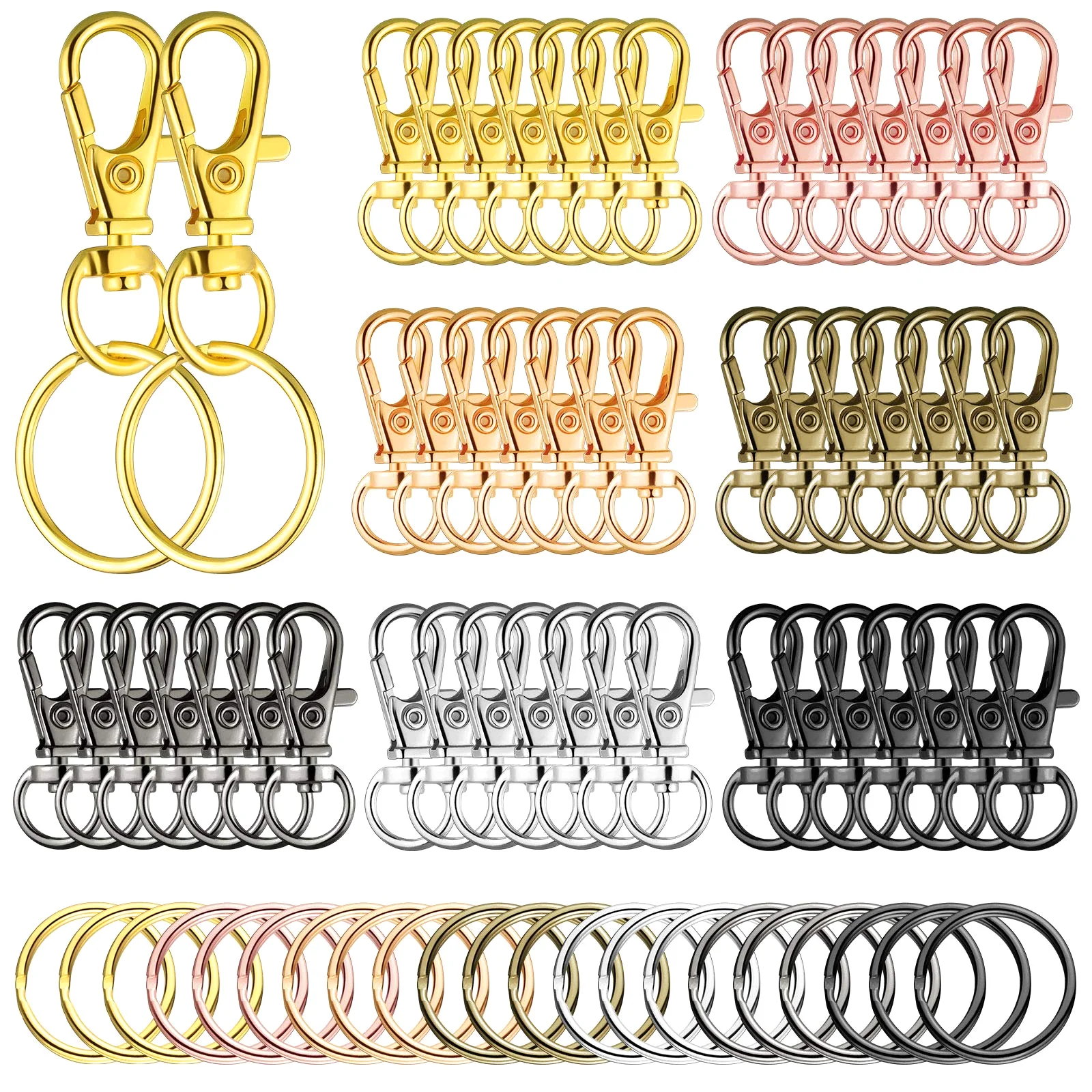
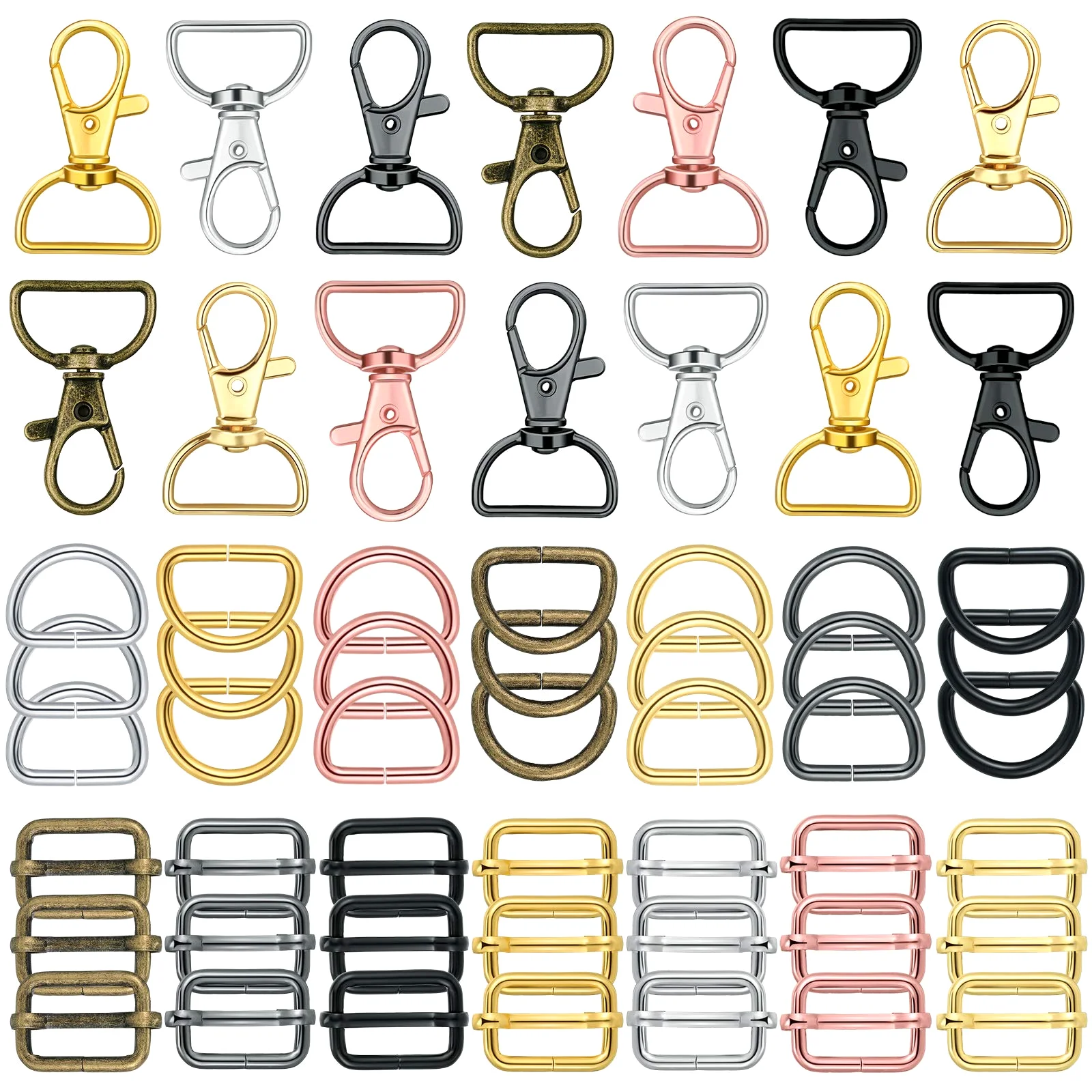
| A market season of keychains | A clasp and a ring per piece sold | Swivel clasps, 100 pcs |
Every family in this range carries a pooled rating from the people who actually opened the box, and we read those reviews on a weekly rhythm. Praise is pleasant and complaints are useful. A recurring complaint is a work order: a clasp that fussed, a stem that arrived creased, a band that slipped mid-run. The reworks that follow are quiet, but the ratings on our shelves are the record that they happened.
That is the whole method. Count the job, pack past it, hold the colour, print the arithmetic, read the room. None of it is clever, and that is rather the point. Cleverness runs out. Counting does not, and a catalogue built on it improves the way a well-kept ledger does: one corrected line at a time, week after week, with the corrections visible in the family ratings on every shelf.